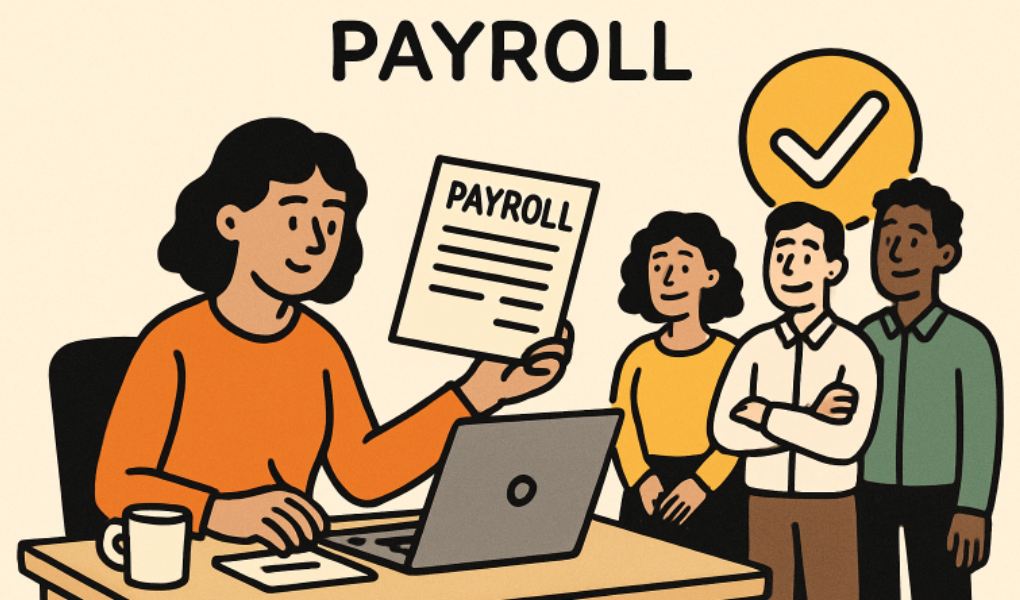
Managing payroll is one of the most critical responsibilities for small business owners, yet it is often complex and time-consuming. From navigating evolving tax regulations to calculating employee pay and ensuring staff satisfaction, even small mistakes can lead to significant setbacks. Thankfully, leveraging modern tools, innovative strategies, and clear workplace policies can make payroll more accurate and less stressful. Exploring small business payroll services offers tailored solutions to streamline operations and reduce risks. By combining technology, structured policies, and professional guidance, business owners can simplify employee pay management while fostering growth and building trust with their team.
By embracing automation and staying up-to-date with the latest regulations, businesses can benefit from reduced errors, faster processing, and a more satisfied workforce. Transparent, well-documented payroll procedures enhance trust and can make transitions smoother as companies grow. Pairing reliable software with digital time-tracking creates a payroll environment that supports compliance and clarity for all parties involved.
Additionally, offering flexible payment options can dramatically boost employee satisfaction and retention. Integrating these strategies positions a business to compete for top talent while maintaining a focus on long-term development and financial health. For deeper insights into payroll best practices and avoiding common pitfalls, consider resources like the IRS’s Employment Taxes Guide.
Table of Contents
Automate Payroll Processes
Automating payroll is a transformative step for small businesses seeking to reduce administrative overhead and eliminate errors that can occur with manual calculations. Payroll platforms like UKG Ready, QuickBooks, and Gusto are designed with small business needs in mind, ensuring that tasks such as wage calculation, overtime tracking, tax deduction, and paystub generation are handled automatically. These solutions typically include user-friendly dashboards and integrate seamlessly with accounting, HR, and banking tools, allowing owners to spend less time on paperwork and more on growing their business. In fact, NerdWallet’s review of payroll software indicates that automation can reduce payroll processing time by over 50% for small companies.
Stay Compliant with Tax Regulations
Adhering to federal, state, and local tax requirements is essential for every employer. Fines for compliance failures can be substantial—and staying up-to-date on constantly changing tax codes can be overwhelming. Automated payroll systems are continuously updated to reflect the latest regulatory changes, ensuring that withholdings, filings, and reporting obligations are met without hassle. According to guidance from the IRS, leveraging integrated payroll software is among the best ways for small businesses to avoid missed deadlines, calculation errors, and other costly missteps.
Implement Clear Payroll Policies
Establishing clear and straightforward payroll policies is an often underappreciated but highly effective way to ensure smooth payroll operations. When guidelines regarding overtime, vacation pay, payroll schedules, deductions, and bonuses are clearly documented, both employees and management benefit from a shared understanding of expectations, fostering transparency and accountability. Including these policies in a comprehensive employee handbook provides a consistent reference point, helping to prevent misunderstandings or disputes before they arise. Transparent communication about payroll procedures not only fosters trust between business owners and their teams but also promotes a professional and organized work environment.
Additionally, having well-defined payroll policies streamlines onboarding for new hires, reduces administrative confusion as the business grows, and supports a culture of fairness and reliability in employee pay practices.
Utilize Time-Tracking Systems
Accurate time and attendance tracking plays a vital role in ensuring that employee pay accurately reflects the actual hours worked, a priority for businesses with hourly staff or those with flexible scheduling. Traditional manual methods can lead to errors, discrepancies, and wasted administrative time; however, digital solutions, such as mobile apps, web-based punch clocks, or biometric systems, significantly reduce these risks. These tools not only help guarantee precise wage calculation but also provide managers with insights into employee productivity, shift patterns, and attendance trends. Additionally, consistent and reliable time records support compliance with labor regulations, helping avoid potential fines or disputes. When time-tracking systems are integrated directly with payroll software, the process of calculating wages, generating reports, and managing payroll becomes seamless, accurate, and far more efficient for both employers and employees.
Offer Flexible Payment Options
Today’s workforce increasingly values flexibility in how and when they receive their wages. Employees often expect options such as same-day pay, on-demand access to earned income, or the ability to select a preferred payday that suits their personal needs. Offering a variety of payment methods—such as direct deposit, paycards, or specialized on-demand pay programs—demonstrates that a company respects and prioritizes employee convenience. This level of flexibility not only enhances the overall work experience but also contributes to higher satisfaction, loyalty, and engagement. By embracing modern pay solutions, businesses can attract top talent, retain skilled staff, and foster a positive and competitive workplace culture.
According to a recent article by SHRM, flexible payment options can ease financial stress for workers and boost overall job satisfaction, particularly in service and hourly industries.
Seek Professional Assistance
Many small business owners choose to outsource all or part of their payroll operations to payroll service providers or accountants. Professional payroll partnerships ensure all calculations, compliance requirements, and filings are expertly managed—freeing owners to focus on other business priorities. Outsourcing solutions are especially beneficial for businesses that lack in-house HR support or are navigating complex, multi-state operations. Look for providers that specialize in small business payroll to gain scalable, affordable, and compliant support tailored to your needs.
Streamlining payroll goes beyond simply reducing administrative burdens—it plays a pivotal role in strengthening overall business operations. Accurate and timely management of employee pay fosters trust and satisfaction, which can boost morale and reduce staff turnover. By implementing the right technologies, such as automated payroll software, alongside clear policies and procedures, small businesses can ensure compliance with tax laws while minimizing costly errors. Transparent payroll practices create a sense of fairness and accountability, reinforcing a positive workplace culture. Ultimately, these improvements free business owners and managers to focus on strategic initiatives, innovation, and growth, laying the groundwork for long-term stability and success.