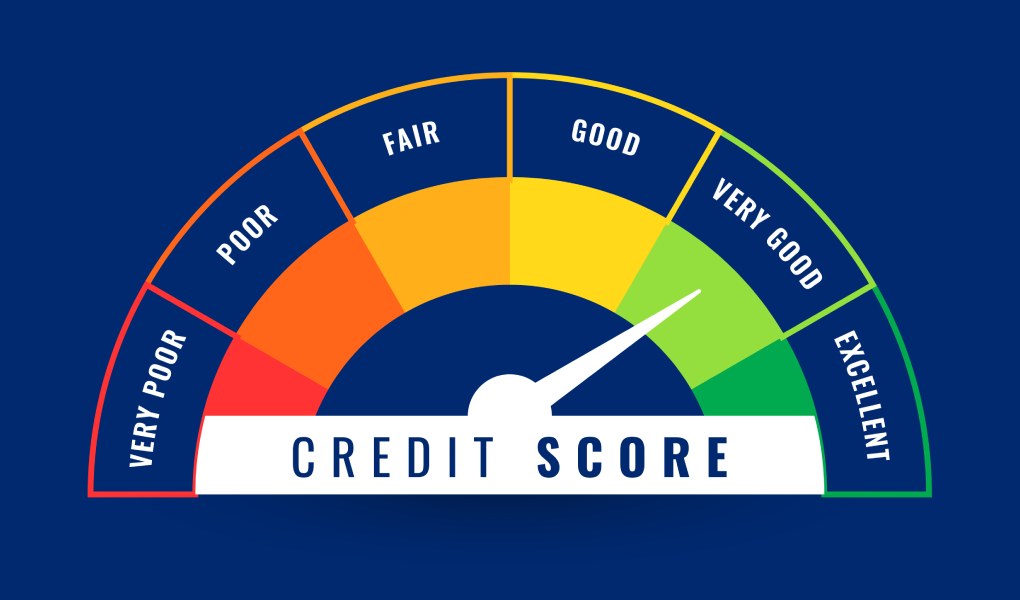
I’ve been writing about tech and digital tools for years. Something weird keeps happening though. People get excited about the latest app or gadget but totally ignore one of the most powerful numbers in their financial life: credit scores.
Credit scores sound boring, I know. But something happened to me last year that changed my entire perspective.
Table of Contents
The $8,400 Wake-Up Call
I was shopping for a car loan last spring. Found the perfect used sedan for $18,000 and walked into the first lender feeling confident. They quoted me 11.2% interest. Then I visited another lender, and they offered 6.8% because my credit score was 740. Same car, same loan amount. That difference over 60 months meant I would’ve paid $8,400 more with the first offer.
That’s when I started obsessing over how to check credit score regularly and understand what actually moves those three digits.
What Nobody Tells You About Checking Your Score
Checking your own credit score doesn’t hurt it at all. I was terrified to look at mine for months because someone told me each check would lower it, which turned out to be a complete myth.
You can check it weekly if you want. Monthly checks became my routine. I set a phone reminder for the 3rd of each month, and watching that number climb from 680 to 758 over 14 months felt better than hitting 10,000 followers on any social platform.
Banks see two types of credit checks. Soft inquiry is when you check your own score, hard inquiry is when you apply for actual credit. Only hard inquiries affect your score, and even then just by a few points temporarily.
The Real Factors That Move Your Number
I’ve tracked my score obsessively for almost two years. Paying off my credit card completely each month instead of just the minimum made a huge difference. Keeping my credit usage under 30% helped too. I aim for 15% now. Not closing my oldest credit card even though I barely use it turned out to be smart. Setting up autopay so I never miss a due date was probably the easiest change with consistent results.
But here’s what surprised me most. I paid off a $3,200 personal loan early thinking my score would skyrocket. It went up by 12 points. Then I lowered my credit card balance from $2,100 to $340 while keeping the same $5,000 credit limit, and my score jumped 34 points in one month.
Credit utilization beats almost everything else.
Why Americans Should Care Right Now
Interest rates in 2026 aren’t what they were in 2020. My cousin in Austin is paying 7.8% on her mortgage. Five years ago people were getting 3.2% loans easily. When rates are higher your credit score becomes even more important because the gap between good and excellent credit widens in actual dollars you’ll pay.
If you’re into tech like me, think about it like optimizing code. You wouldn’t deploy software without testing it first. Why would you apply for major credit without knowing where you stand?
I check mine through three different free services now. Each one pulls from different bureaus and sometimes the scores vary by 20-30 points, which is normal.
Your credit score isn’t just some abstract number. It represents real money in your pocket when you need to borrow, and in today’s economy that matters more than most tech upgrades you’ll make this year.